
Innovations and open systems pace FVL and the current fleet
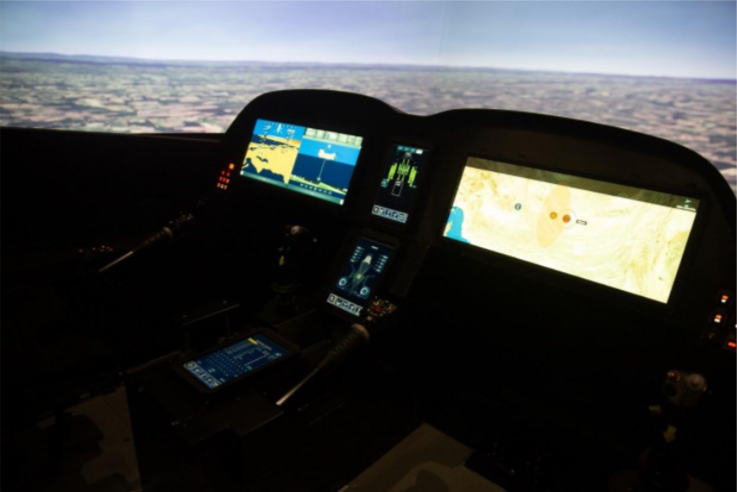
Innovative integration approaches and open systems architecture can bring revolutionary improvements to the performance of FLRAA and FARA, as well as the current fleet.

Innovative integration approaches and open systems architecture can bring revolutionary improvements to the performance of FLRAA and FARA, as well as the current fleet.

While the National Defense Authorization Act (NDAA) defined “open systems” at a high-level, each branch of the U.S. military is determining what that means for them. Collins Aerospace Mosarc™ solutions can address that across next-gen systems like NGAD, FVL, and KC-X.


The challenge for Western democratic institutions is not a lack of capability — it is a structural one.

You get higher speeds with less weight and drag. Meeting speed, range and payload targets for the Army’s two Future Vertical Lift programs can be partially accomplished with transformational integrations of systems that have never been brought together before.

There's no one software application, wave form, or set of capabilities that can win the day against near peers. Open systems, however, are that one thing that will keep Army systems relevant in all stages of conflict.
Success can only be achieved by finding common ground between the US government’s desire for MOSA and industry’s incentive to modify its current business cases.

The technological advancements are at our fingertips – and ready now – to help design the fastest, lightest, most long-range and powerful rotorcraft in history, and weight and drag optimization is a critical success factor.

From emerging data networks to missile tracking and cyber resilience, Breaking Defense’s latest eBook brings together essential reporting on the evolving role of satellites in national security.